
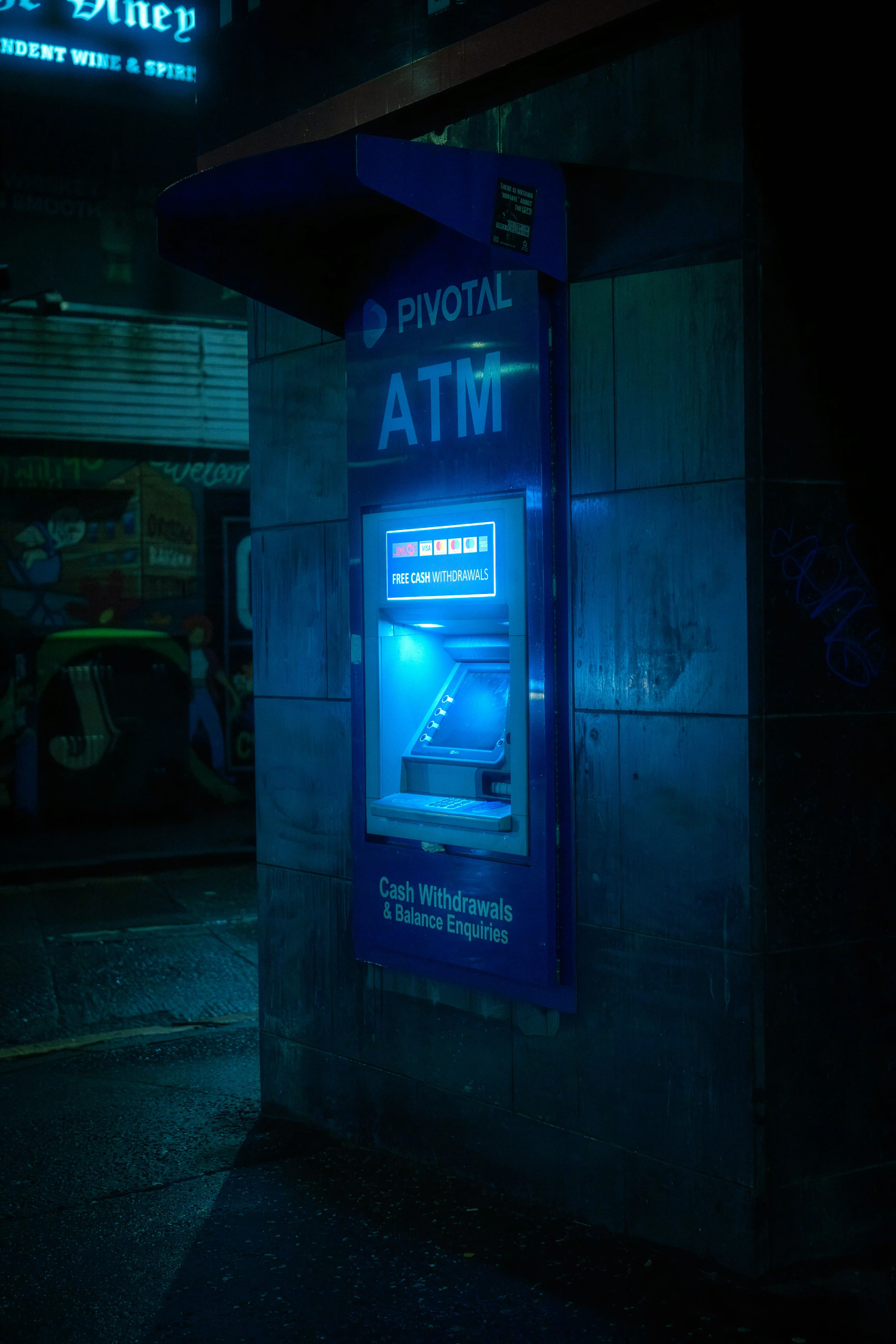
Your guide to cash machines
Everything you need to know about ATMs
We use them almost without thinking, but there is a lot going on inside a cash machine. Learn how ATMs work, what the keypad does, where they came from and how to use them safely.
- 1967The year the first cash machine opened in London
- 4Digits in a standard PIN
- 24/7Access to your cash, day or night
What is an ATM?
An Automated Teller Machine (ATM), also known as a cash machine, cashpoint or hole in the wall, lets you access your bank account without visiting a branch or speaking to a cashier.
Insert or tap your card, enter your PIN and within seconds the machine checks your account with your bank and dispenses your cash. Today there are millions of ATMs around the world, in high streets, supermarkets, petrol stations and even phone boxes.
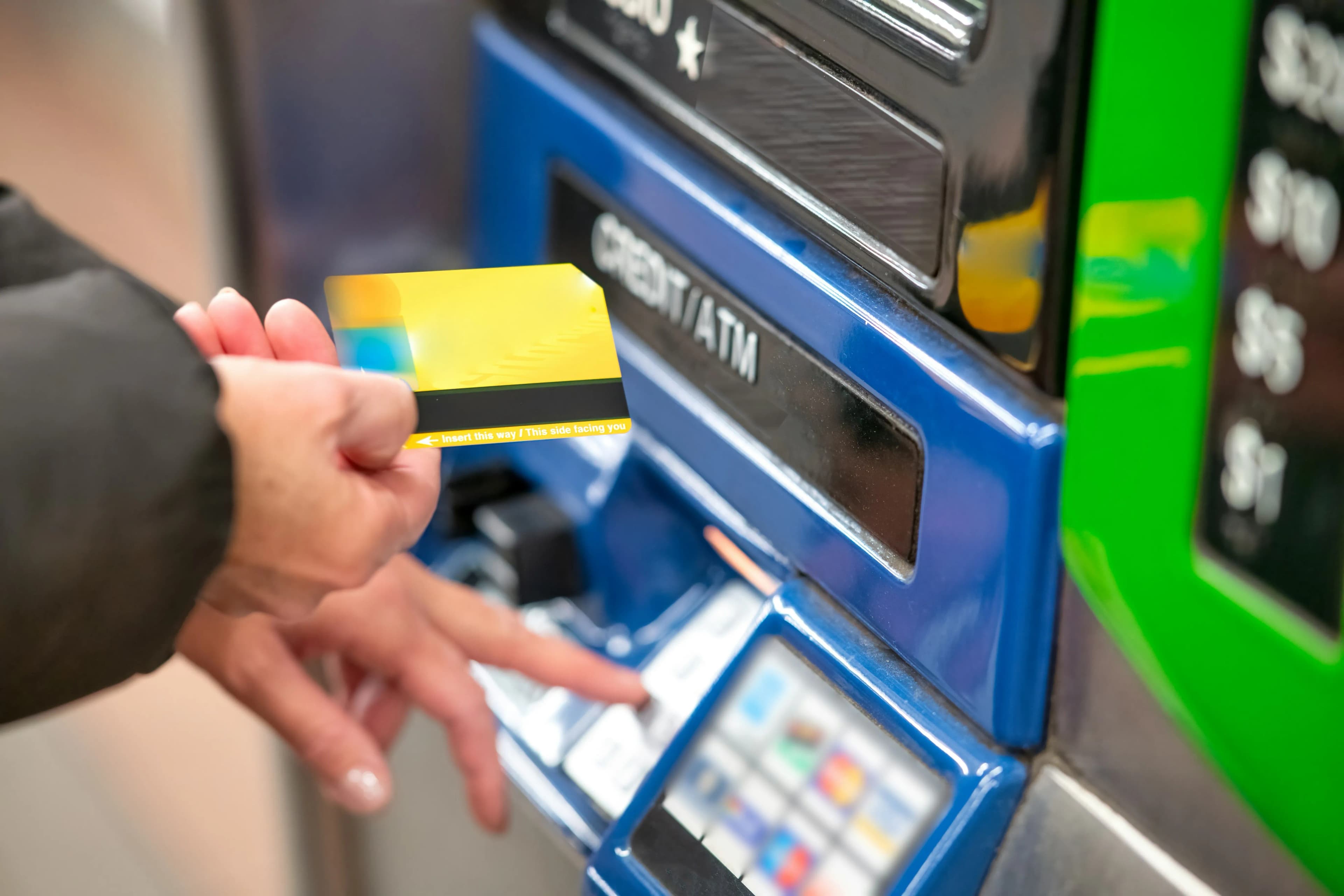
Explore the guide
Pick a topic to dive in.
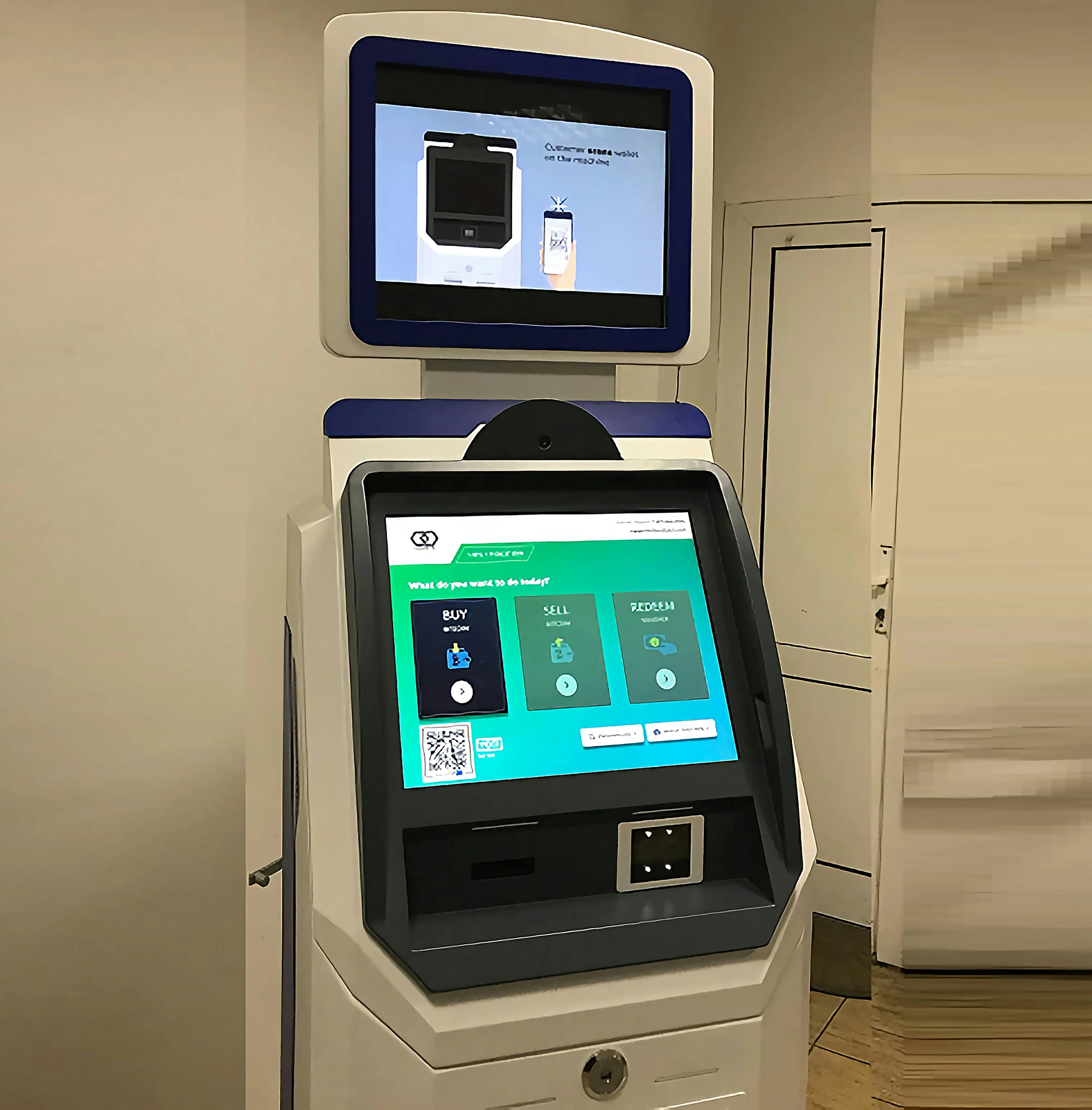
What Else Can ATMs Do?
Cash withdrawals are just the start. Discover deposits, balance checks, bill payments and more.
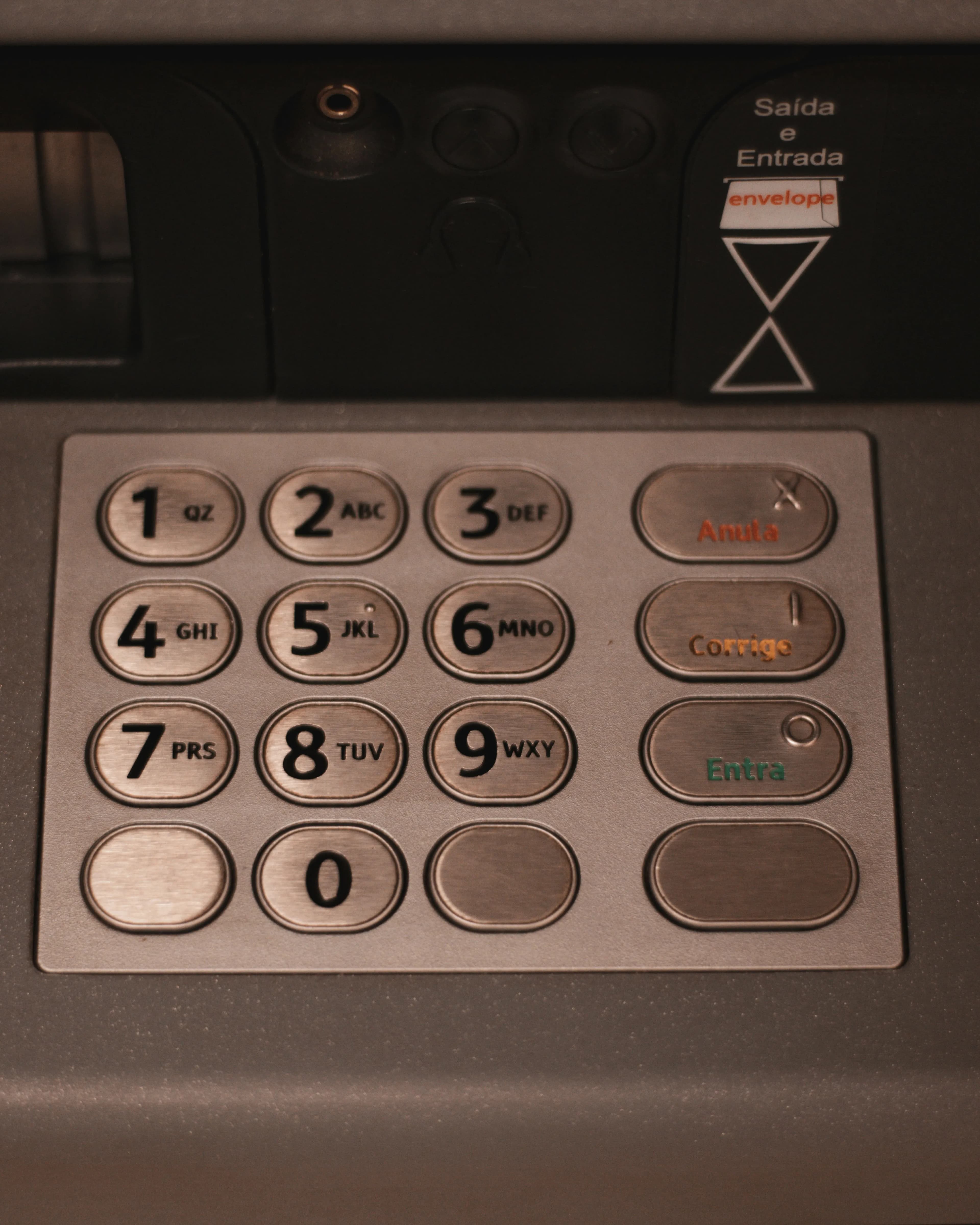
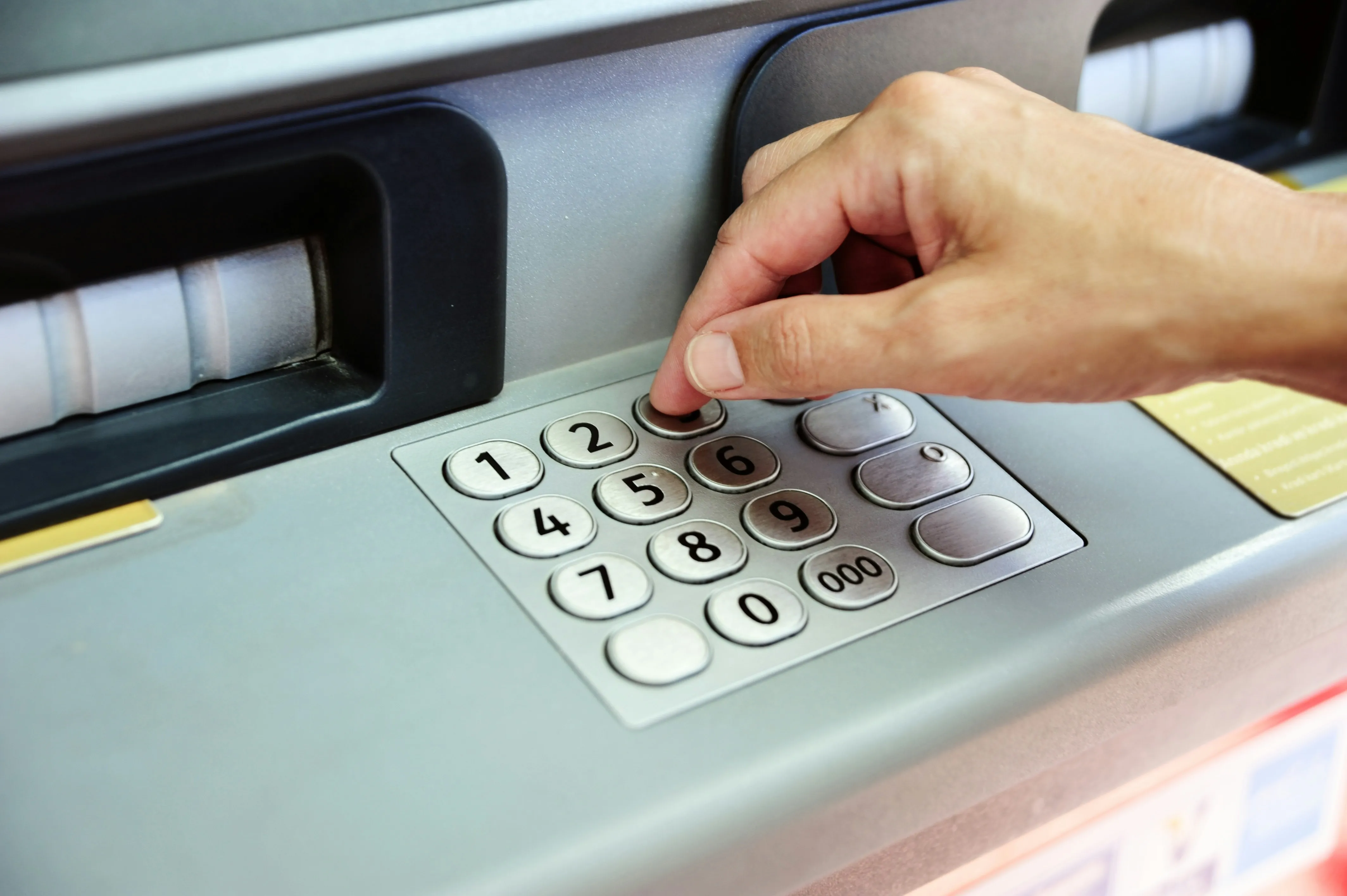
The ATM Keypad
Learn the layout of the keypad, what each button does and why the number 5 has a raised dot.
Secure ATMs
How cash machines protect your money, the scams to watch out for and how to stay safe.
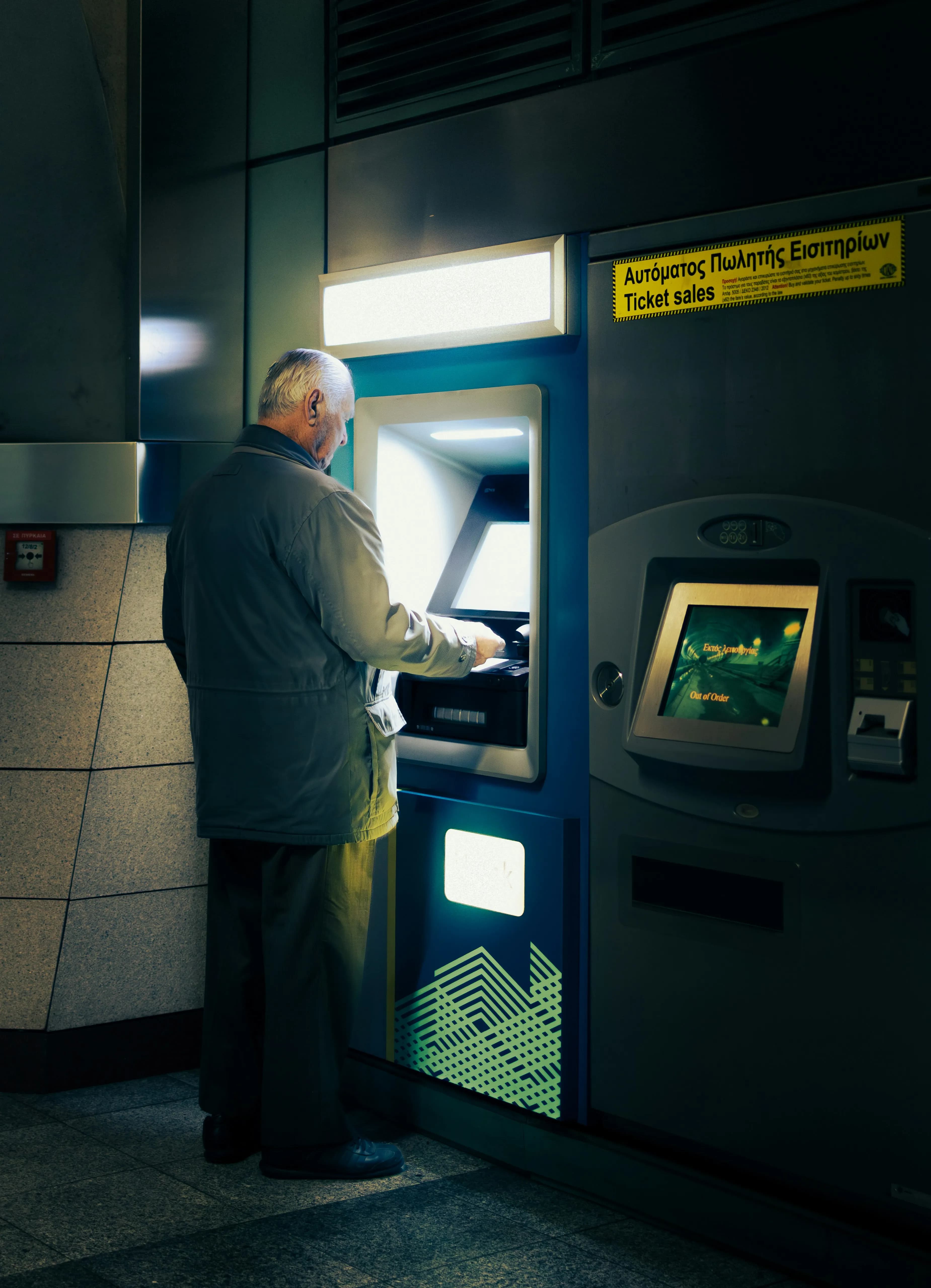
ATM Accessibility
Audio guidance, tactile keys and screen features that make ATMs usable for everyone.
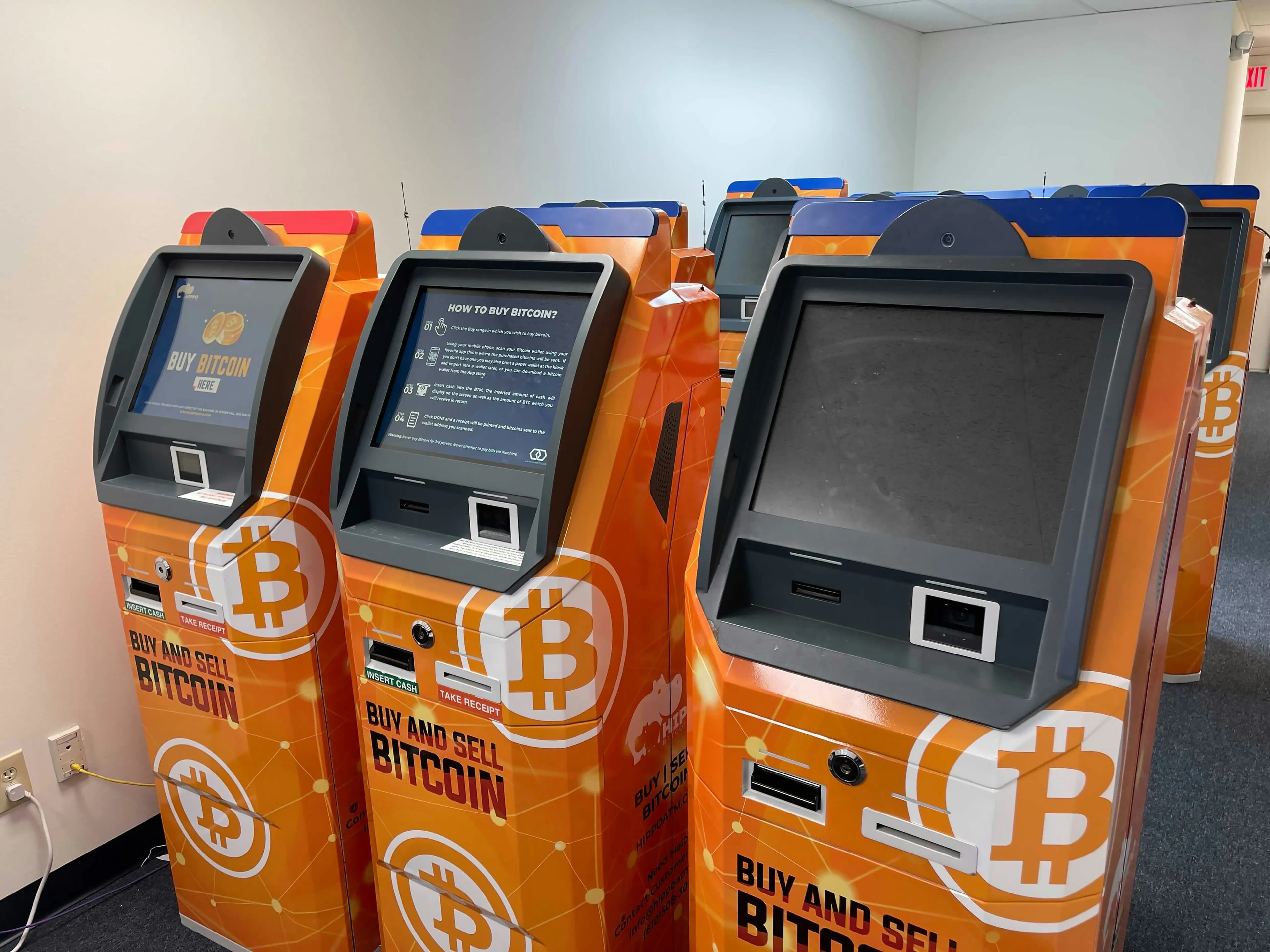
ATM Gallery
From classic through-the-wall machines to crypto ATMs, see cash machines from around the world.
A brief history
The world's first cash machine was unveiled on 27 June 1967 outside a Barclays branch in Enfield, north London. Invented by John Shepherd-Barron, it didn't use plastic cards at all. Customers inserted paper vouchers treated with a mildly radioactive compound.
Since then, ATMs have gained magnetic stripe cards, chip and PIN, contactless readers and touchscreens. Some machines today even let you buy cryptocurrency.
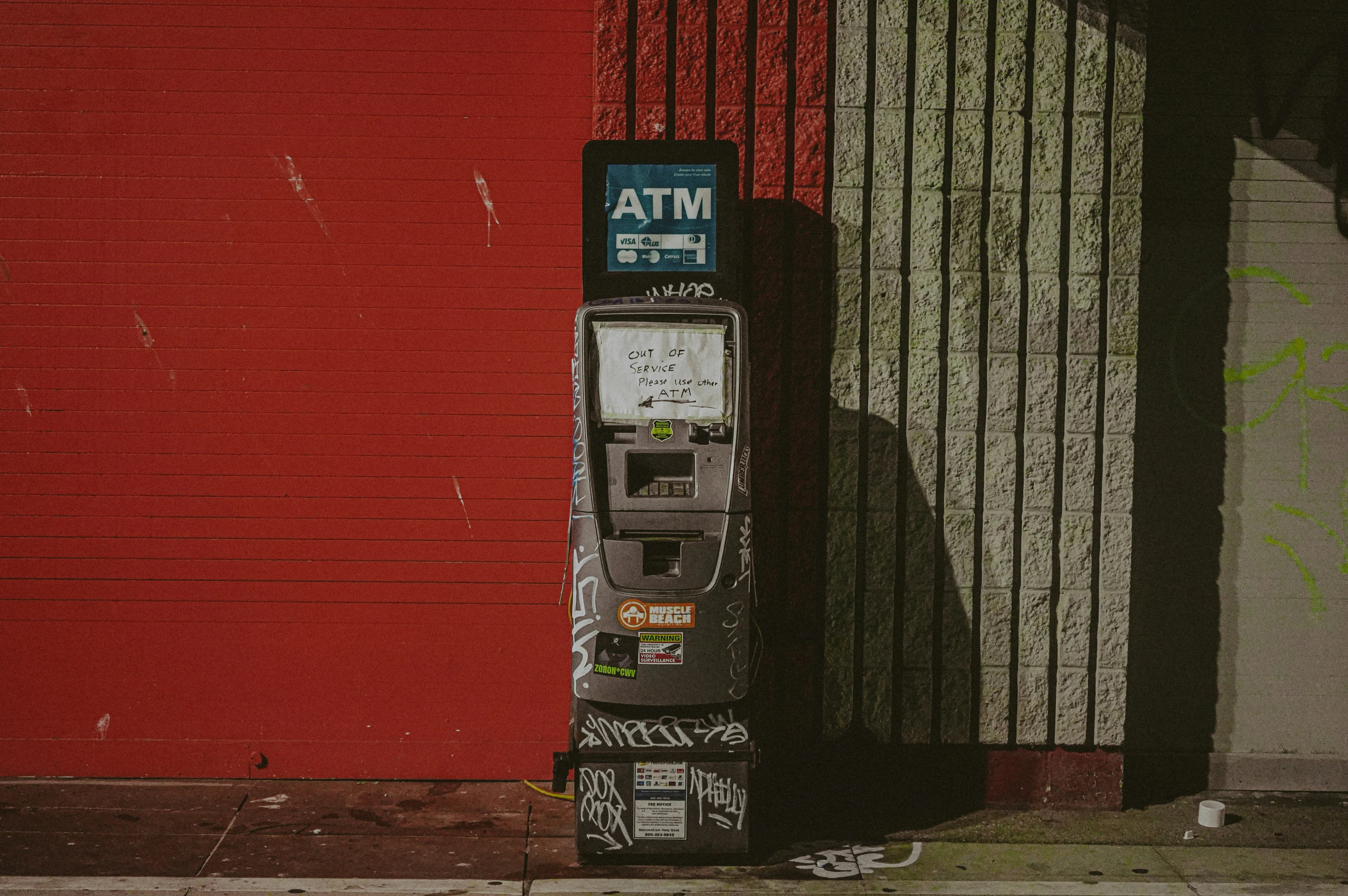
Stay safe at the cash machine
A few simple habits go a long way to protecting your card and your money.
- Cover the keypad with your hand when entering your PIN.
- Check the card slot and keypad for anything loose or unusual.
- Be aware of who is around you, especially at night.
- Take your card, cash and receipt before walking away.